India is planning to expand the use of ethanol-based fuels in vehicles as part of its efforts to reduce dependence on expensive petroleum imports and strengthen energy security.
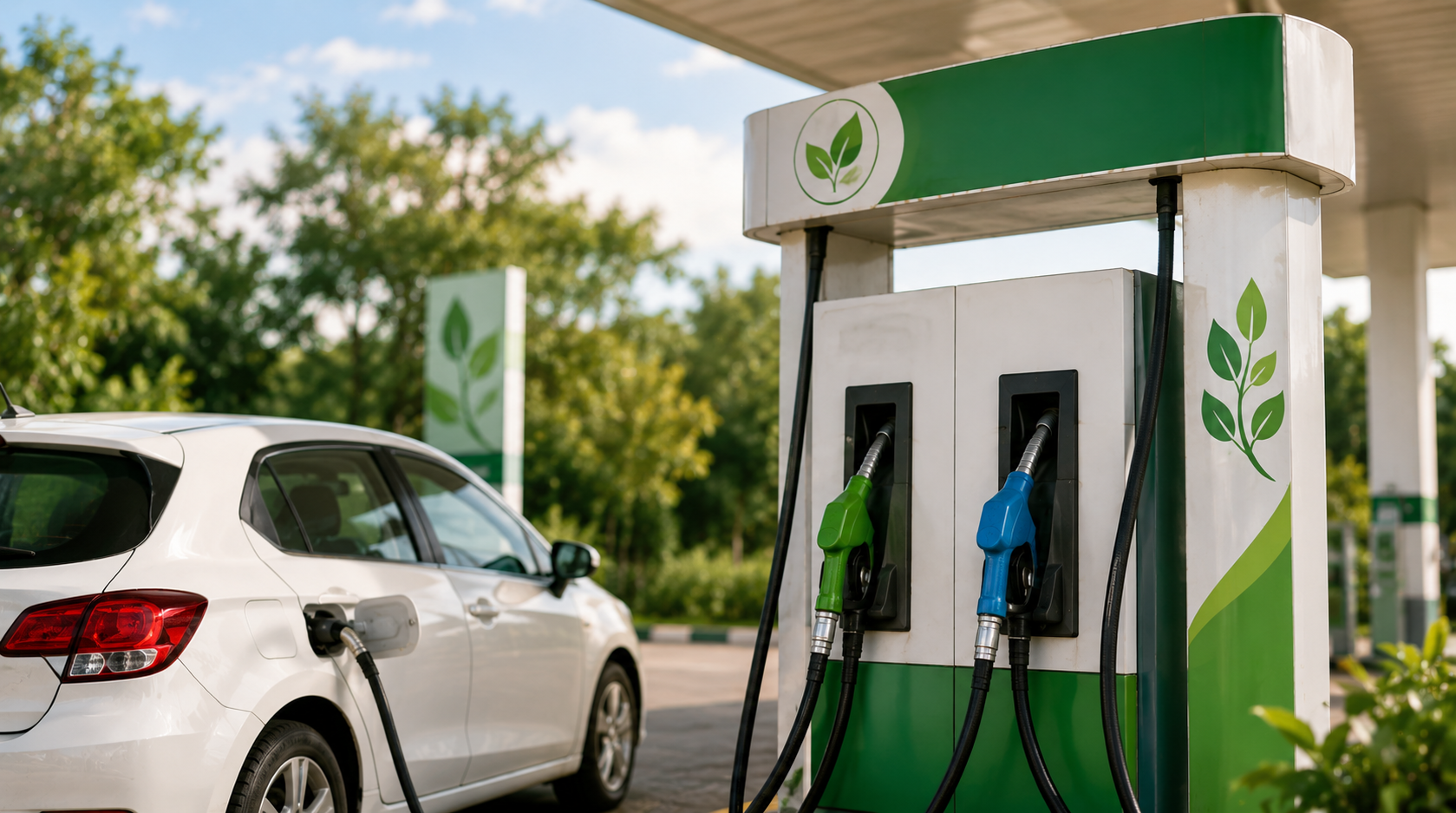
The government has proposed changes to vehicle regulations that would officially allow the use of higher ethanol-blended fuels such as E85 and E100 in automobiles.
What Are E85 and E100 Fuels?
According to the Ministry of Road Transport and Highways, the proposed amendments to the Central Motor Vehicles Rules would introduce provisions for:
- E85 Fuel: A blend containing 85% ethanol and 15% petrol
- E100 Fuel: Nearly pure ethanol fuel designed for specially compatible vehicles
Ethanol is a renewable biofuel produced from agricultural crops, sugarcane, grains, and organic waste materials. The government believes increasing ethanol usage can help reduce fuel import costs and lower carbon emissions.
India’s Push Towards Ethanol Fuel
India successfully achieved its target of 20% ethanol blending in petrol (E20) in 2025. After reaching this milestone, the government is now considering even higher ethanol blends for future fuel use.
The draft proposal has been opened for public feedback before final approval is taken.
The move is part of India’s broader strategy to:
- Reduce crude oil imports
- Improve energy security
- Support farmers and the agricultural sector
- Promote cleaner and renewable fuel alternatives
Concerns Over Higher Ethanol Blending
While the government sees ethanol blending as a positive step, some vehicle owners have raised concerns regarding E20 fuel.
Owners of older petrol vehicles have reported issues such as:
- Reduced fuel efficiency
- Engine performance problems
- Increased maintenance costs
- Potential engine damage in non-compatible vehicles
Experts believe higher ethanol blends like E85 and E100 may require specially designed or modified engines to ensure smooth performance and long-term durability.
What Happens Next?
The government is currently reviewing public comments and industry feedback on the proposed rule changes. If approved, India could gradually move toward wider adoption of flex-fuel and ethanol-compatible vehicles in the coming years.
Automobile manufacturers may also need to increase production of vehicles capable of handling higher ethanol blends safely and efficiently.
Final Thoughts
India’s proposal to introduce E85 and E100 fuels marks another major step toward cleaner energy and reduced dependence on imported oil. However, the success of higher ethanol blending will depend on vehicle compatibility, infrastructure development, and consumer awareness.
As the country moves toward alternative fuels, balancing environmental goals with vehicle performance and affordability will remain a key challenge.